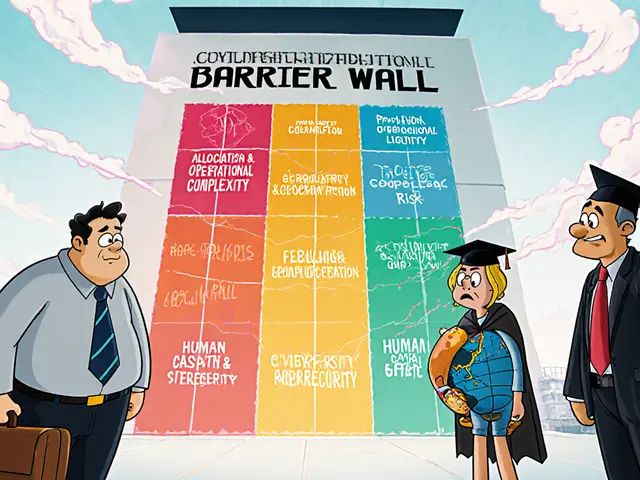
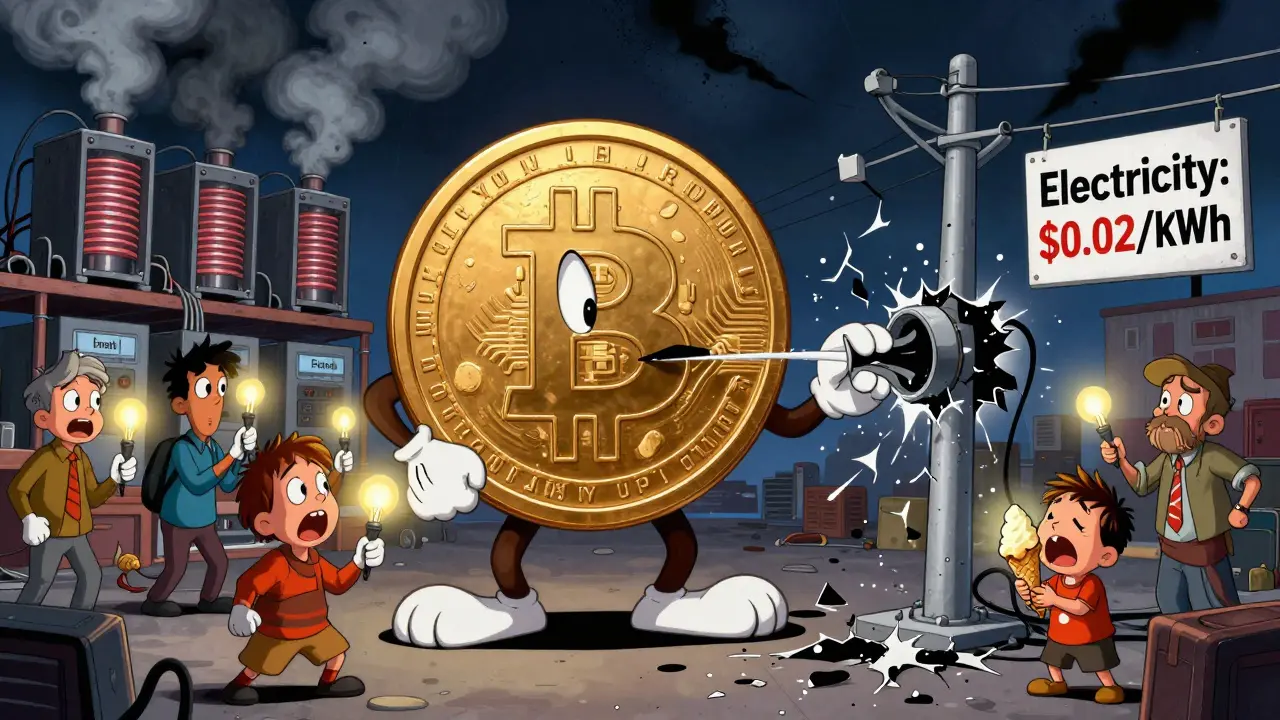
Iran doesn’t have cheap oil anymore. It doesn’t have reliable electricity. But it does have one of the lowest electricity rates in the world for cryptocurrency mining-so low that mining a single Bitcoin costs just $1,300 there, while it costs over $300,000 in Italy. That’s not a typo. It’s a policy. And it’s breaking the grid.
Every time a family in Tehran loses power for 12 hours straight, it’s not because of a transformer failure. It’s because a mining farm running 24/7 in a warehouse outside Shiraz is using more electricity than a small city. The government says it’s legal. The people say it’s theft.
Why Iran Lets Miners Pay Pennies for Electricity
Iran’s electricity subsidies for crypto mining started as a way to make money from sanctions. When the world cut off Iran’s access to global banking, the government looked for ways to earn foreign cash. Cryptocurrency mining became the answer. Miners buy ASIC rigs, plug them into the grid, and mine Bitcoin. Then they sell the coins abroad for dollars or euros-bypassing sanctions entirely.
The catch? The government charges miners just $0.01 to $0.05 per kilowatt-hour. That’s less than half the price of water in Tehran. For comparison, the average American pays $0.15/kWh. In Germany, it’s $0.35. In Italy? Over $0.40. This isn’t a subsidy. It’s a giveaway.
Why does Iran do this? Because the state gets paid in hard currency. Licensed miners are allowed to export their mined Bitcoin to settle trade deals. In 2024 alone, $700 million in cryptocurrency flowed into Iran this way, mostly for food, medicine, and spare parts. The Central Bank of Iran doesn’t let citizens use Bitcoin to buy coffee. But it lets mining farms turn electricity into dollars.
The Energy Drain No One Talks About
One Bitcoin takes over 300 megawatt-hours of electricity to mine. That’s enough to power 35,000 Iranian homes for a day. Now imagine 4 million ASIC devices running nonstop across the country. That’s what’s happening.
Iran’s power grid was already old. Decades of underinvestment left it running at 60-70% of its needed capacity. Then came the miners. By 2025, cryptocurrency operations were using nearly 2,000 megawatts of electricity-5% of Iran’s total power. But because mining runs flat-out 24/7, it’s responsible for 15-20% of the country’s electricity imbalance. That means during peak summer hours, when air conditioning is on full blast, the grid collapses.
In July 2025, a nationwide internet blackout shut down over 900,000 illegal mining devices. Power demand dropped by 2,400 MW overnight. That’s not a coincidence. That’s proof. The grid doesn’t fail because of droughts or heat. It fails because miners are using more power than Tehran’s entire population.

Illegal Mining Is Everywhere
Only 40% of mining license applications get approved. The rest? They go underground. Literally.
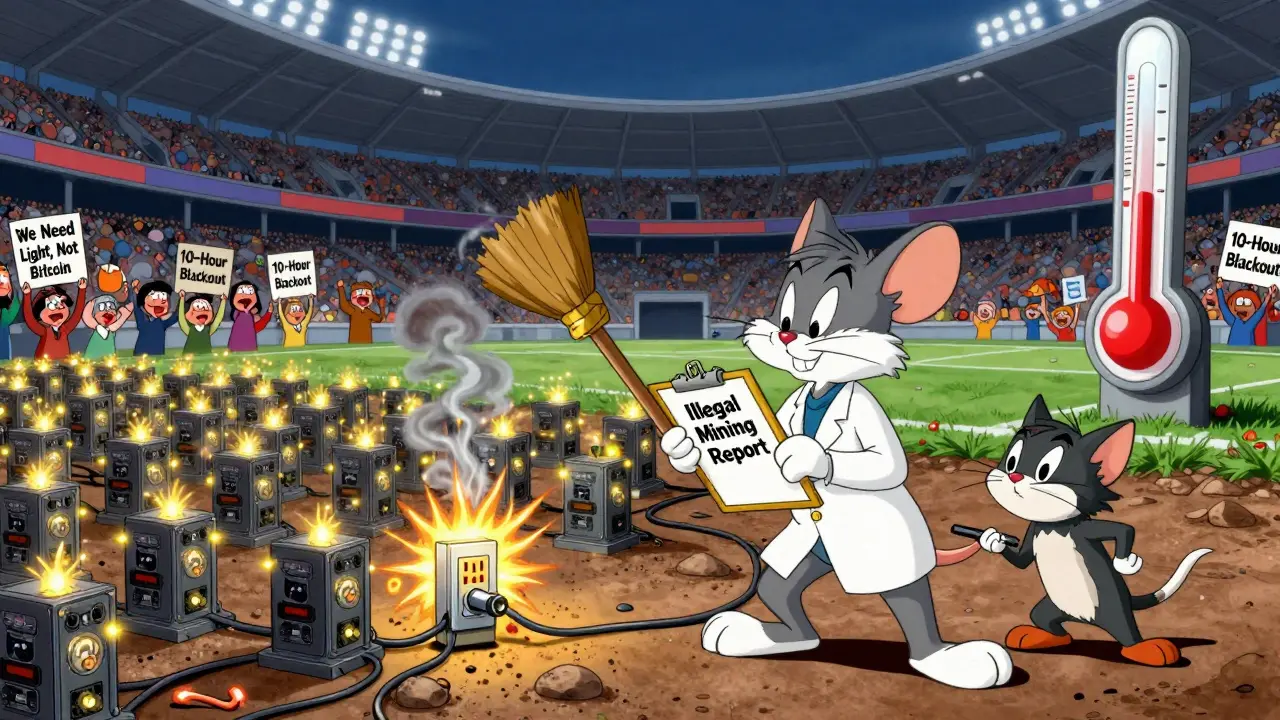
Miners are turning basements, warehouses, and even sports stadiums into data centers. In April 2025, authorities found 12,000 ASIC rigs buried in the tunnels beneath Ahvaz Stadium. The operation ran on subsidized household electricity-illegal, but common. Why? Because licensed miners pay $0.04-$0.07/kWh. Unlicensed ones? They tap into residential lines and pay nothing.
Reports from social media show how widespread this is. On Telegram, a channel called “Iran Electricity Crisis” has 187,000 members. They post real-time blackout maps that line up perfectly with known mining locations. When Bitcoin’s price jumps, blackouts spike within 48 hours. One user wrote: “I can’t charge my phone. My kids can’t study. But the miners? They’re running AC and lights like it’s Christmas.”
The government’s response? A reward program. Citizens can report illegal mining and get 10% of the recovered electricity cost as cash. In the first half of 2025, over 8,400 reports led to 2,157 shutdowns. But for every one shut down, three pop up elsewhere.
Who Really Benefits?
It’s not the average Iranian. It’s not the small-time miner trying to make a few hundred dollars a month. It’s the Islamic Revolutionary Guard Corps (IRGC).
Analysts estimate the IRGC controls between 55% and 65% of all mining operations-either directly or through shell companies. These aren’t startups. They’re industrial operations with armored trucks, armed guards, and direct access to power substations. The money they make? It doesn’t go to the state treasury. It goes into IRGC-controlled accounts abroad.
One energy analyst at Sharif University put it bluntly: “The IRGC is stealing public electricity and turning it into private wealth. This isn’t economic policy. It’s organized theft.”
Meanwhile, the Energy Ministry says the system brings in $800 million a year. But they won’t say how much of that actually reaches the national budget. What we do know: the power company Tavanir is running at a deficit. They’re forced to buy diesel to keep lights on in hospitals during blackouts. Diesel costs $1.20 per liter. Electricity from mining? $0.02 per kWh.
The Human Cost
Iranians aren’t just annoyed. They’re desperate.
During summer 2025, average daily blackouts hit 10 hours in major cities. Schools canceled classes. Refrigerators spoiled food. Dialysis machines shut down. People lined up for hours at gas stations because the pumps needed electricity.
A Reddit thread from June 2025 gathered 1,450 comments from Iranians. 92% blamed crypto mining for the outages. One user shared: “My mother needs oxygen at night. Last week, the power cut lasted 14 hours. We used a car battery to run the machine. She almost died.”
There’s no political will to fix this. The government needs the dollars. The IRGC needs the profit. The people? They’re collateral damage.
What’s Next?
The International Energy Agency predicts Iran’s power shortages will grow by 25-30% by 2027 if mining continues unchecked. The government’s plan? More smart meters. More inspections. More temporary bans during summer.
But here’s the truth: as long as Bitcoin trades at $30,000 and electricity costs $0.02, mining will keep growing. The grid can’t handle it. The people can’t take it. And the regime won’t stop it.
Iran’s crypto mining experiment isn’t just about money. It’s about control. It’s about who gets power-and who gets left in the dark.
Why does Iran allow crypto mining if it causes blackouts?
Iran allows crypto mining because it generates hard currency-dollars and euros-that bypasses international sanctions. Licensed miners export Bitcoin to pay for imports like medicine and food. The government sees this as a workaround to economic isolation, even though it strains the power grid and hurts ordinary citizens.
How much electricity does crypto mining use in Iran?
Crypto mining consumes about 2,000 megawatts of electricity in Iran, which is roughly 5% of the country’s total power use. But because mining runs nonstop, it contributes to 15-20% of the grid’s imbalance. That means during peak demand, like summer heatwaves, mining is the main reason for blackouts.
Is crypto mining legal in Iran?
Yes, but only under strict conditions. Miners must get licenses from the Ministry of Industry, register with the power company, and receive approval from the Central Bank of Iran to export Bitcoin. Only about 40% of applications are approved. Most mining is illegal, using subsidized household electricity or tapping into grid lines illegally.
How much does it cost to mine Bitcoin in Iran compared to other countries?
In Iran, mining one Bitcoin costs about $1,300. In the U.S., it’s around $15,000. In Italy, it’s over $300,000. Iran’s low electricity rates-just $0.01-$0.05 per kWh-make it one of the cheapest places in the world to mine Bitcoin, even with sanctions.
Who controls most of the mining operations in Iran?
The Islamic Revolutionary Guard Corps (IRGC) controls an estimated 55-65% of all mining operations in Iran. These aren’t small miners. They’re large-scale operations with direct access to power infrastructure. The profits from these operations rarely go to the state budget-they fund IRGC activities abroad.