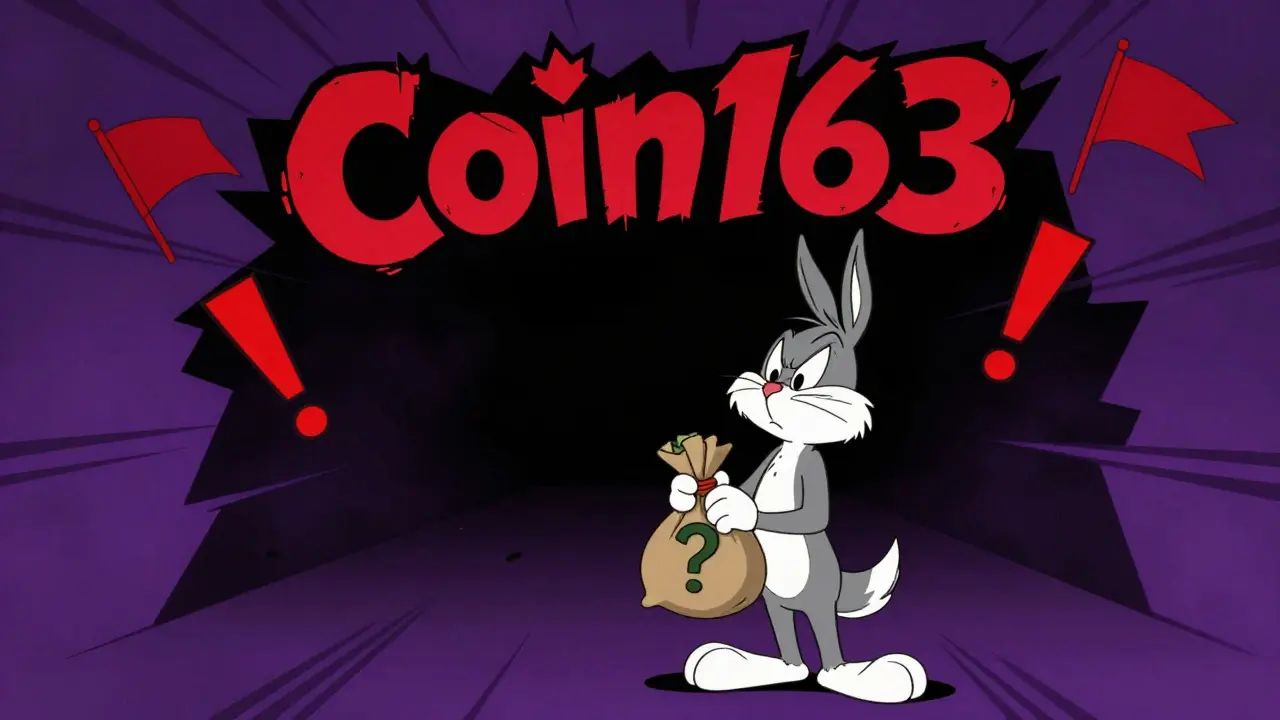
Have you heard of Coin163? If so, you’re probably wondering if it’s a legitimate place to trade your money or just another risky pop-up site. In the world of cryptocurrency, trust is everything. One wrong move can cost you your entire savings. That’s why doing a deep dive into an exchange before depositing a single cent is non-negotiable.
Here is the hard truth about Coin163: as of mid-2026, this platform does not appear in major industry rankings, regulatory databases, or reputable review aggregators like Trustpilot or NerdWallet. This silence is loud. Established exchanges are everywhere online-news articles, user forums, security audits. The absence of Coin163 from these sources raises significant red flags that every trader needs to understand.
The Red Flags of Obscurity
When evaluating any financial platform, visibility is often a proxy for legitimacy. Major exchanges like Coinbase, Binance, and Kraken have millions of users, thousands of reviews, and years of public history. They are scrutinized by regulators worldwide. Coin163, on the other hand, operates in the shadows.
Why does this matter? Because scammers thrive in obscurity. A lack of information isn't neutral; it's a warning sign. Here is what we know-or rather, what we don't know-about Coin163:
- No Regulatory Licensing Found: Legitimate exchanges must register with financial authorities in their operating jurisdictions (like the FCA in the UK, ASIC in Australia, or FinCEN in the US). There is no public record of Coin163 holding such licenses.
- Absence from Scam Trackers: While not being on a "scam list" doesn't prove innocence, being completely invisible to trackers like LegalByte or the Better Business Bureau is unusual for an active business.
- Zero Independent Reviews: Real users leave trails. Whether positive or negative, established platforms have community feedback. Coin163 has virtually none outside of potentially paid promotional content.
- Unknown Ownership: Who runs Coin163? Legitimate companies publish their team members, corporate structure, and physical address. Coin163 provides little to no verifiable information about its founders or headquarters.
If you are looking for transparency, Coin163 currently fails the basic test. You cannot verify who holds your funds or where they are stored.
How to Spot a Fake Crypto Exchange
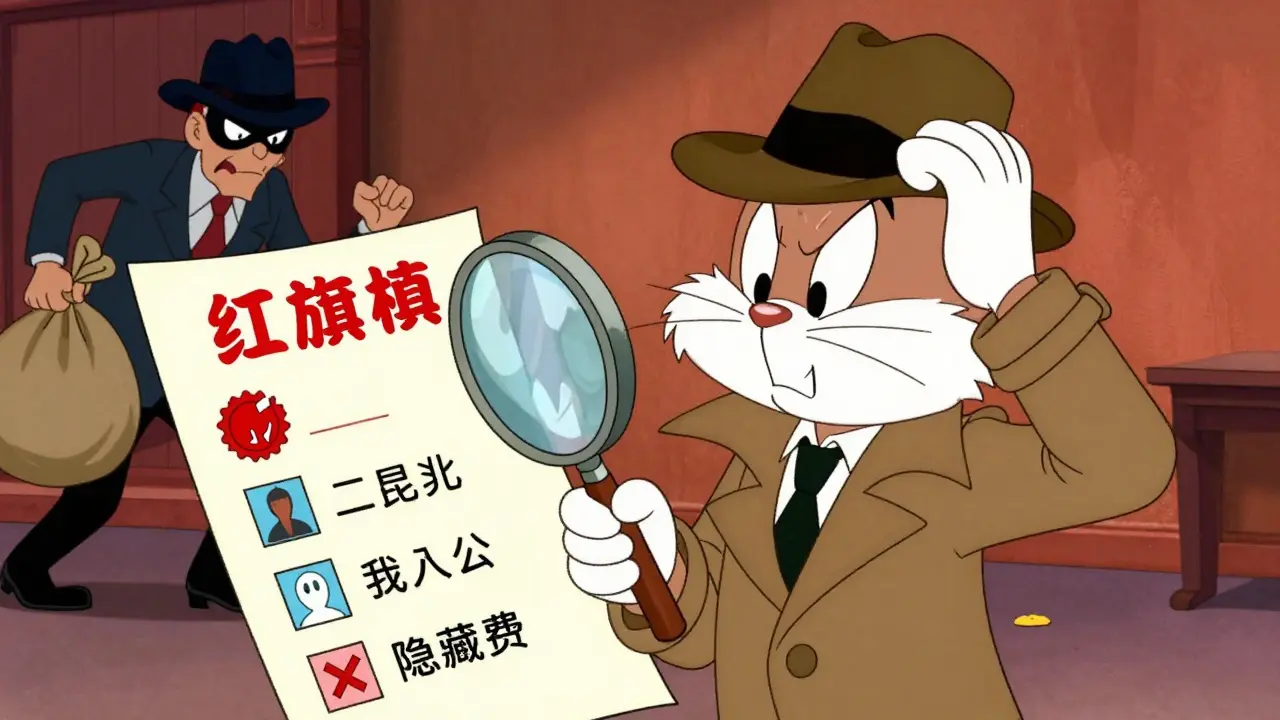
It’s easy to get swept up in promises of high returns or exclusive features. But before you click "Sign Up," run Coin163 through this checklist. These are the same criteria experts use to vet platforms in 2026.
- Check the Domain Age: Use tools like WHOIS to see when the website was registered. New domains (less than 6 months old) are high-risk. Many scam sites launch, steal deposits, and vanish within weeks.
- Verify Contact Information: Does the site have a real phone number? A physical address that exists on Google Maps? Or just a generic contact form? Legitimate businesses want you to reach them.
- Look for Pressure Tactics: Are you being urged to deposit immediately via Telegram or WhatsApp? Is someone promising guaranteed profits? This is classic pump-and-dump behavior.
- Examine the Fees: Hidden fees are common. Look for clarity on withdrawal limits, trading spreads, and deposit costs. If the fee structure is vague or changes daily, walk away.
- Test Customer Support: Ask a specific question before signing up. If they ignore you, give robotic answers, or only respond in broken English, that’s a bad sign.
Applying this to Coin163, most of these checks likely fail due to the lack of available data. Without proof of regulation or a track record, the risk outweighs any potential reward.
Safe Alternatives for Trading in 2026
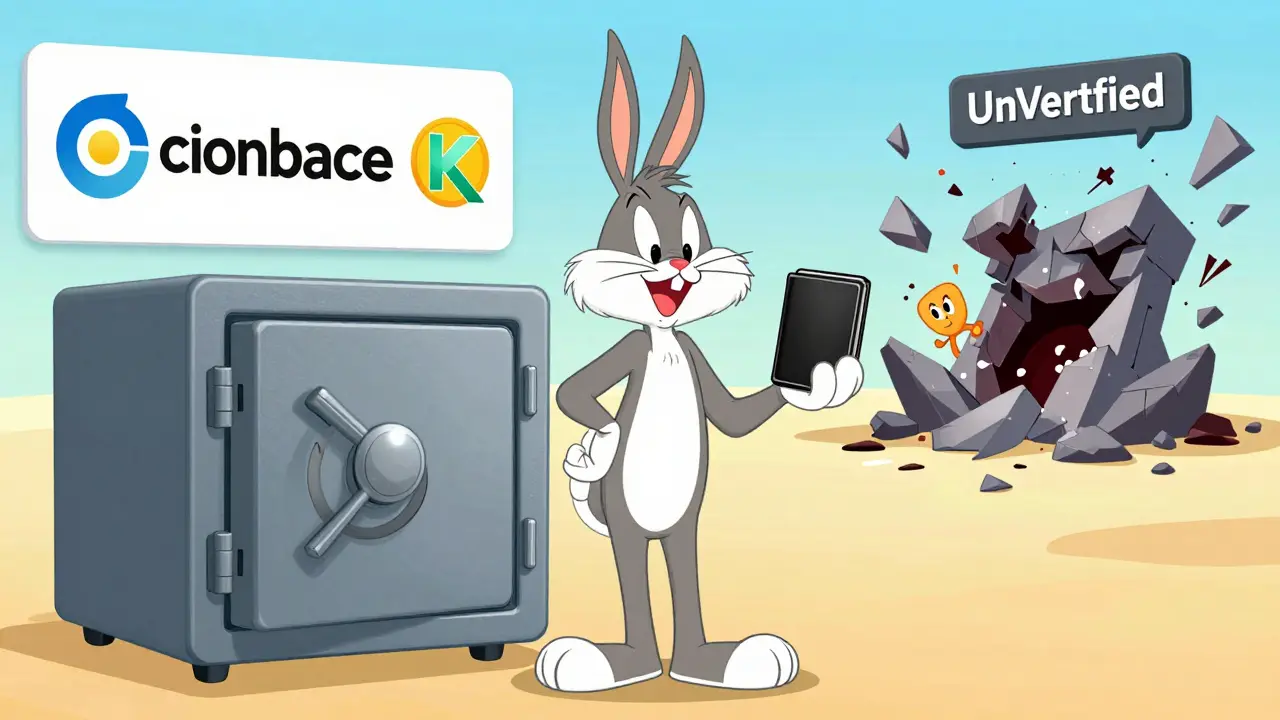
You don’t need to gamble on obscure platforms. There are dozens of regulated, secure, and user-friendly exchanges that dominate the market. Depending on your needs, here are better options that have stood the test of time.
| Feature | Coinbase / Kraken (Established) | Coin163 (Unverified) |
|---|---|---|
| Regulatory Status | Licensed in US/EU/AU | Unknown / None Found |
| User Base | d>Millions of verified usersUnclear / Minimal | |
| Security Audits | Regular third-party audits | No public audit reports |
| Withdrawal Reliability | Fast, transparent processing | Risk of frozen funds |
| Customer Support | 24/7 multi-channel support | Limited or non-existent |
Coinbase remains the gold standard for beginners. It’s heavily regulated, offers insurance on digital assets, and has a straightforward interface. If you’re new to crypto, start here.
Kraken is excellent for more experienced traders who want lower fees and advanced charting tools. They’ve been around since 2011 and have never suffered a major breach.
Binance (or its regional variants like Binance.US) offers the widest selection of coins and high liquidity. However, always ensure you are using the correct, regulated version for your country.
These platforms compete on service, speed, and security-not mystery. When you choose one of them, you know exactly who you are dealing with.
Understanding Crypto Security Basics
Even on safe exchanges, you must protect yourself. The golden rule of crypto is: "Not your keys, not your coins." This means if your exchange gets hacked or goes bankrupt, you might lose access to your funds unless you hold them in a personal wallet.
For long-term storage, consider using a hardware wallet like Ledger or Trezor. These devices keep your private keys offline, making them immune to online hacks. For active trading, keep only small amounts on the exchange. Use two-factor authentication (2FA) with an app like Google Authenticator, never SMS, which can be intercepted.
Also, beware of phishing attacks. Always type the exchange URL manually or use a bookmarked link. Never click links in emails or messages claiming to be from support teams. Scammers often mimic legitimate brands to steal login credentials.
What To Do If You’ve Already Deposited
If you’ve already sent money to Coin163 or a similar unverified platform, act quickly. First, try to withdraw your funds. If withdrawals are delayed, blocked, or require additional "fees" to release your money, stop paying immediately. This is a common tactic used by fraudulent operators to extract more cash before disappearing.
Next, document everything. Save screenshots of transactions, communications, and the website itself. Then, report the incident to your local financial authority and law enforcement. In the US, file a complaint with the FTC and SEC. In the UK, contact the FCA. While recovering lost crypto is difficult, reporting helps prevent others from falling victim.
Finally, monitor your bank accounts and credit cards for unauthorized charges. If you linked a payment method, consider freezing those accounts temporarily.
Final Thoughts on Coin163
In the fast-moving world of cryptocurrency, caution is your best defense. Coin163 lacks the transparency, regulation, and community trust required for a safe trading environment. The absence of credible information is not a feature-it’s a flaw. Until this platform provides verifiable proof of licensing, security audits, and operational history, it should be avoided entirely.
Stick to established, regulated exchanges. Your financial security is worth more than the allure of an unknown platform. Trade smart, stay informed, and never invest more than you can afford to lose.
Is Coin163 a legitimate crypto exchange?
There is no evidence to suggest Coin163 is a legitimate, regulated exchange. It lacks public records of licensing, independent reviews, or security audits. Proceed with extreme caution or avoid it entirely.
Can I withdraw my money from Coin163?
If you are unable to withdraw funds, or if you are asked to pay extra fees to release your money, it is likely a scam. Stop all payments and report the issue to local authorities immediately.
What are the safest crypto exchanges in 2026?
Top recommended exchanges include Coinbase, Kraken, and Binance (region-specific). These platforms are regulated, audited, and have large, verified user bases.
How do I check if a crypto exchange is regulated?
Visit the website of your country’s financial regulator (e.g., SEC in the US, FCA in the UK, ASIC in Australia) and search their register of authorized firms. If the exchange is not listed, it is not regulated in your jurisdiction.
Why is there no information about Coin163 online?
The lack of information suggests the platform is either very new, operates illegally, or is a fraudulent scheme designed to disappear quickly. Legitimate businesses build public reputations over time.