Shido DEX: What It Is, How It Works, and Why It Matters
When you trade crypto without a middleman, you’re using a decentralized exchange, a peer-to-peer platform that lets users swap tokens directly from their wallets using smart contracts. Also known as a DEX, it removes banks, brokers, and KYC checks—giving you full control over your funds. Shido DEX is one of these platforms, designed for users who want speed, low fees, and no third-party custody.
Unlike centralized exchanges like Binance or Coinbase, a decentralized exchange doesn’t hold your crypto. Your keys stay in your wallet. DeFi, or decentralized finance, is the ecosystem that makes this possible. It includes lending, staking, liquidity pools, and automated market makers—all running on blockchains like Ethereum, BSC, or Solana. Shido DEX operates within this space, letting users trade tokens without relying on a company to manage trades or freeze accounts.
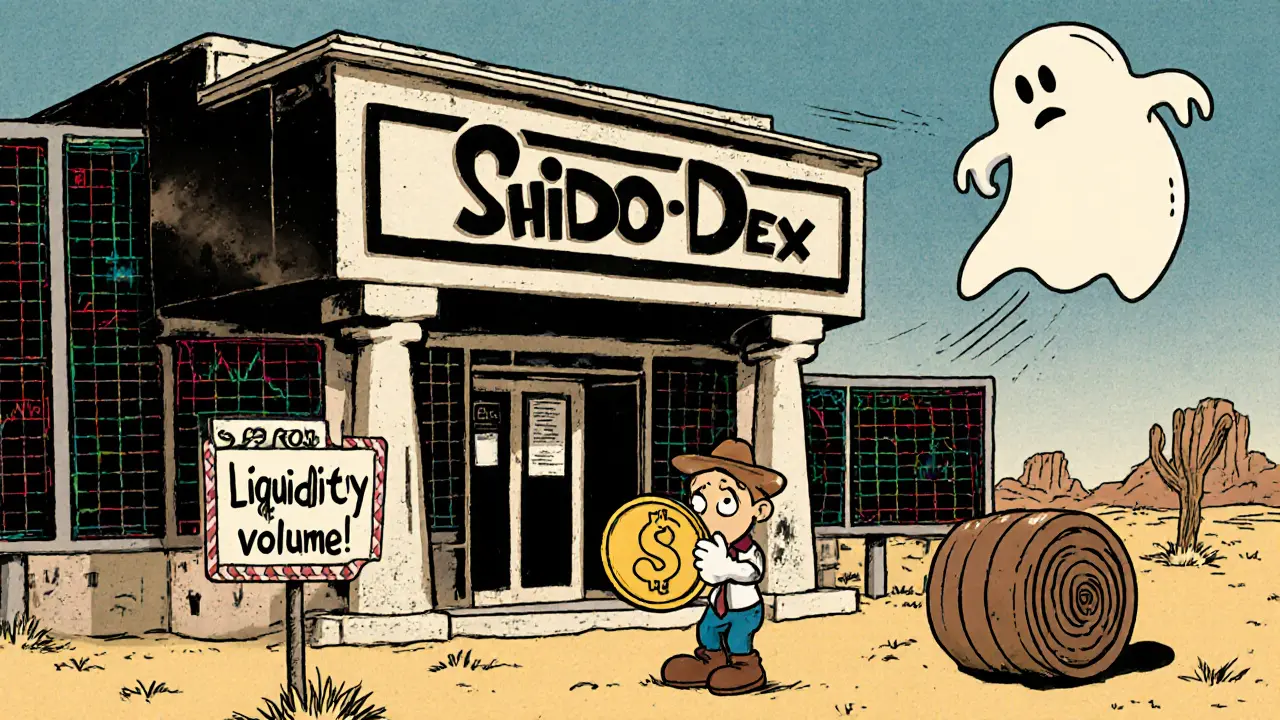
What makes Shido DEX stand out? It’s built for simplicity. No sign-ups. No waiting for withdrawals. Just connect your wallet, pick a pair, and swap. But like all DEX platforms, it’s not without risks. Smart contract bugs, impermanent loss, and low liquidity can hurt users who don’t understand how they work. That’s why many of the posts here dig into real cases—like failed DEXs, rug pulls disguised as DeFi projects, and how to spot a trustworthy platform before you deposit funds.
You’ll find reviews of exchanges that vanished overnight, guides on how airdrops tie into DEX liquidity mining, and breakdowns of tokens that only exist on obscure platforms. Some of these projects sound promising but have no team, no audits, and no real users. Others are quietly building real utility. The difference isn’t always obvious—until you know what to look for.
This collection doesn’t just list DEXs. It shows you what happens after the hype fades. Whether you’re trading on Shido DEX or something similar, you need to know how liquidity works, why fees spike during congestion, and how to protect yourself from fake tokens that mimic real ones. These posts give you the tools to spot the difference—and avoid losing money to something that looks legit but isn’t.


Categories