AUSTRAC Registration: What Crypto Businesses Need to Know
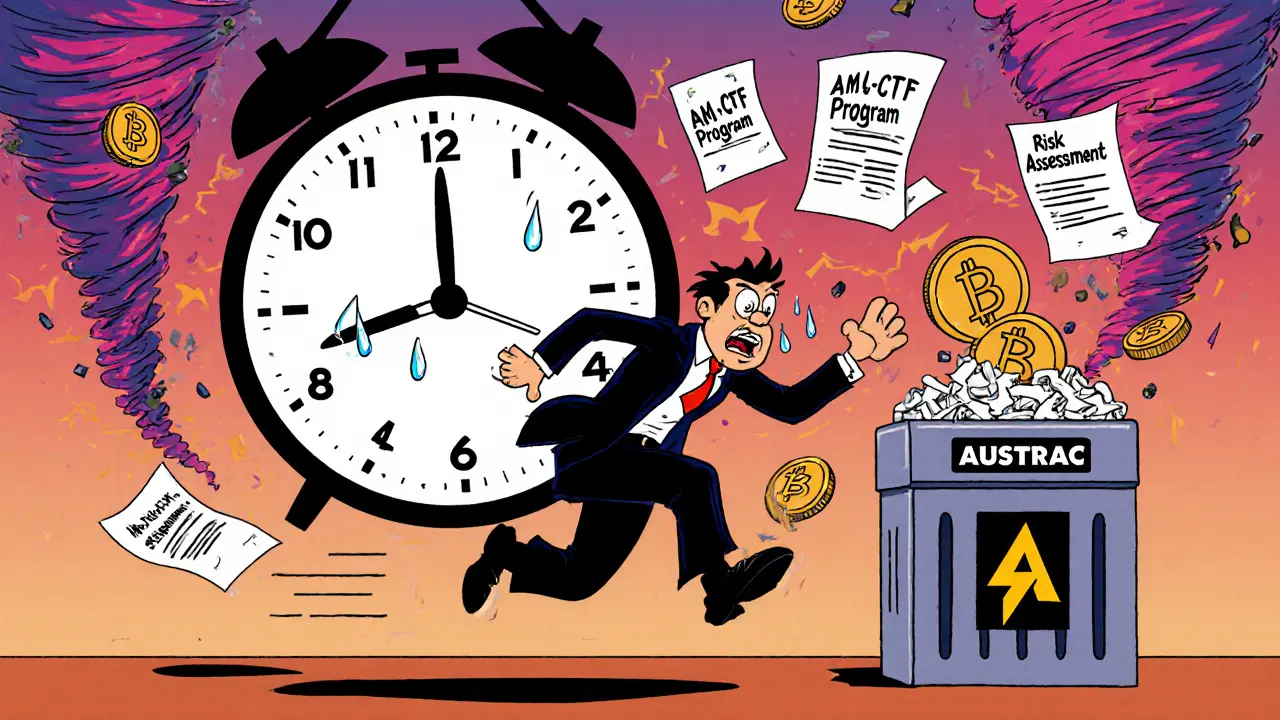
When you run a crypto business in Australia, AUSTRAC registration, the mandatory compliance requirement for virtual asset service providers under Australia’s anti-money laundering laws. Also known as VASP registration, it’s not optional—it’s the legal gateway to operating legally in the country. If you’re running an exchange, wallet service, or even a crypto-to-fiat on-ramp, AUSTRAC needs to know who you are, how you verify users, and how you track suspicious activity. This isn’t bureaucracy for bureaucracy’s sake. It’s the line between staying open and getting shut down.
AUSTRAC registration ties directly to other key entities like VASP Australia, any business that provides services involving virtual assets like Bitcoin or Ethereum, including trading, custody, or conversion to fiat, and AML crypto, the set of rules and procedures designed to prevent criminals from using digital assets to hide or move illegal money. These aren’t separate topics—they’re parts of the same system. You can’t have a legal crypto exchange in Australia without passing AUSTRAC’s checks, and those checks demand real AML controls: KYC on every user, transaction monitoring, and reporting suspicious activity within 24 hours. Failure means fines, account freezes, or criminal charges.
Many businesses think they can skip this by calling themselves "DeFi" or "peer-to-peer," but AUSTRAC doesn’t care about labels. If your platform lets people trade, store, or convert crypto, and you’re based in Australia—or serving Australian customers—you’re in scope. Countries like Canada and the UK have similar rules, but Australia’s enforcement is strict and growing. Recent cases show AUSTRAC targeting even small operators who thought they were too niche to notice. The ones that survived? They registered early, documented everything, and trained their teams.
What you’ll find in this collection are real examples of what happens when crypto projects ignore AUSTRAC, what compliant platforms actually do behind the scenes, and how businesses in places like Costa Rica or Namibia handle similar rules differently. Some posts expose scams pretending to be licensed. Others break down the paperwork. You’ll see how one company got fined $1.2 million for skipping registration, and how another built a fully compliant system that now handles millions in volume. This isn’t theory. It’s what’s happening right now in the Australian crypto space—and if you’re involved, you need to know it.






Categories