

Imagine buying a rare sword in a video game. In the past, if that game shut down or you got banned, that sword vanished. It belonged to the company, not you. Today, that same sword might be a digital asset you actually own, tradeable for real money, usable in other games, and secure from arbitrary deletion. This shift isn't magic; it’s powered by cryptocurrency and blockchain technology enabling decentralized ownership and transparent economic transactions within virtual environments.
We are moving from an era of renting digital experiences to owning them. Virtual worlds are no longer just places to play; they are complex economies where users work, trade, and build wealth. But how does this actually work under the hood? Let’s break down the mechanics of how crypto fuels these digital realms.
The Foundation: True Digital Ownership
The biggest hurdle traditional gaming faced was centralization. Servers controlled by companies held all the data. If the server went down, your progress stopped. If the company decided to change the rules, your assets lost value overnight. Blockchain solves this by creating a public, immutable ledger.
When you buy an item in a crypto-powered virtual world, that transaction is recorded on the blockchain. This record proves three things: you bought it, you own it, and no one can duplicate it without permission. This concept is known as digital scarcity. Just like there is only one original Mona Lisa, there might only be one specific NFT (Non-Fungible Token) representing a legendary armor set.
This ownership is enforced by smart contracts is self-executing code on a blockchain that automatically enforces the terms of an agreement when predefined conditions are met. These contracts handle everything from verifying purchases to distributing rewards. You don’t need to trust a customer support ticket; you trust the code.
Currency as the Lifeblood: Tokens and Utility
Every virtual world needs a medium of exchange. In traditional games, this is gold coins or credits controlled by the developer. In crypto worlds, this role is filled by native cryptocurrencies. These tokens serve multiple purposes:
- Purchase Power: Buying land, avatars, or items.
- Governance: Voting on future updates or rule changes.
- Rewards: Earning income through gameplay or content creation.
- Staking: Locking up tokens to earn passive interest or secure the network.
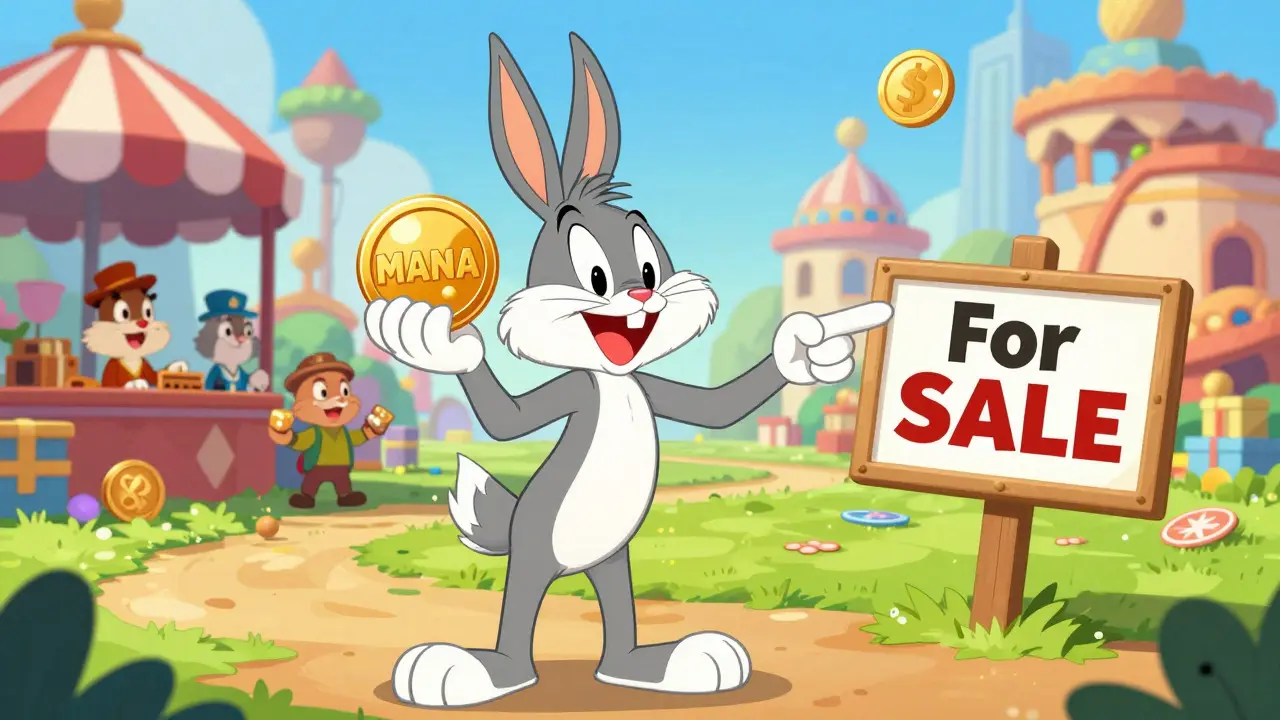
Take MANA is the native cryptocurrency of Decentraland used for purchasing virtual land parcels and goods within the platform. MANA allows users to buy plots of virtual land in Decentraland. Because the supply of land is fixed and recorded on the Ethereum blockchain, its value fluctuates based on supply and demand, much like real-world real estate. Users aren’t just spending points; they are investing in a scarce digital resource.
Major Platforms Driving the Economy
To understand how this works in practice, we need to look at the leading platforms. Each has a unique approach to integrating cryptocurrency into their ecosystems.
| Platform | Native Token | Primary Focus | Key Feature |
|---|---|---|---|
| The Sandbox | SAND | User-generated content & gaming | VoxEdit tool for creating voxel-based NFTs without coding |
| Decentraland | MANA | Virtual real estate & social interaction | Pioneering land ownership model on Ethereum |
| Axie Infinity | AXS / SLP | Play-to-earn battle gameplay | Breeding and battling digital creatures for income |
The Sandbox is a decentralized virtual world built on Ethereum where users create, own, and monetize gaming experiences using SAND tokens. Launched in 2018, it evolved from a mobile game into a full-fledged metaverse platform. Its strength lies in accessibility. Tools like VoxEdit allow anyone to design 3D assets and turn them into NFTs. Partnerships with brands like Atari and Snoop Dogg have brought mainstream attention, proving that virtual worlds can host major cultural events.
Decentraland is a pioneering digital real estate platform allowing users to purchase, develop, and monetize virtual land using MANA tokens. It established the blueprint for virtual property rights. Here, you can build a gallery, a casino, or a conference center. The value comes from foot traffic and utility. If your location hosts popular events, your land appreciates. This mirrors physical urban development but operates entirely on code.
Axie Infinity is a prominent play-to-earn game where players breed, battle, and trade digital creatures called Axies to earn cryptocurrency. This platform demonstrated the power of crypto in developing economies. Players in countries like the Philippines earned more than local minimum wages by playing. It turned gaming into a viable livelihood, not just a hobby.
The Play-to-Earn Revolution
Traditional gaming is "play-and-pay." You spend money to enjoy the game. Crypto introduces "play-to-earn" (P2E). In P2E models, time and skill have monetary value. When you complete a mission, win a battle, or create valuable content, you receive tokens or NFTs. These assets have market value because others want them.
This creates a player-driven economy. Developers set the initial rules, but the community determines the value of assets. If a certain weapon becomes essential for winning tournaments, its price rises. Skilled players can sell their services or assets to less experienced ones, creating a natural labor market within the game.
However, this model requires balance. If earning is too easy, inflation crashes token values. If it’s too hard, players leave. Successful projects use dual-token systems: one volatile token for rewards (like SLP in Axie Infinity) and one stable governance token (like AXS) to maintain long-term stability.
Interoperability: The Holy Grail
Right now, most virtual worlds are silos. Your sword in Game A doesn’t work in Game B. Interoperability aims to fix this. Imagine wearing a hat you bought in Decentraland while playing a game in The Sandbox. This requires standardized protocols and cross-chain bridges.
Projects like Enjin is a platform enabling gamers to trade blockchain-based in-game items securely across different platforms. are working on this. By standardizing how NFTs are structured, they hope to create a universal inventory system. As interoperability improves, the value of individual assets increases because their utility expands beyond a single game.
Challenges and Risks
It’s not all smooth sailing. Crypto-powered virtual worlds face significant hurdles:
- Volatility: Token prices can crash overnight, wiping out savings.
- Scams: Phishing attacks and fake projects target inexperienced users.
- Complexity: Managing wallets, gas fees, and seed phrases is daunting for average gamers.
- Regulation: Governments are still figuring out how to tax and regulate digital assets.
Security is paramount. Users must guard their private keys. Losing access to your wallet means losing everything forever. There is no "forgot password" button on the blockchain.
Future Outlook: Where Do We Go From Here?
As we move through 2026, the focus is shifting from speculation to utility. Early adopters bought land hoping for quick flips. Now, successful projects focus on building sustainable communities and engaging experiences. We’re seeing more integration with DeFi (Decentralized Finance), allowing users to lend, borrow, and insure their virtual assets.
Corporate adoption is growing. Major brands are setting up virtual storefronts. Remote work is expanding into the metaverse, with companies paying employees in crypto for virtual collaborations. The line between the digital and physical economies is blurring.
The technology is maturing. Layer-2 solutions like Polygon are reducing transaction fees, making micro-transactions viable. User interfaces are becoming smoother, hiding the complexity of blockchain interactions behind familiar gaming menus.
Cryptocurrency powers virtual worlds by providing the infrastructure for true ownership, transparent economics, and global accessibility. It transforms players from consumers into stakeholders. While risks remain, the potential for a decentralized, user-owned internet is driving rapid innovation. Whether you’re a gamer, investor, or creator, understanding these dynamics is key to navigating the next generation of digital life.
What is the main difference between traditional gaming and crypto-powered virtual worlds?
In traditional gaming, you rent digital assets from the publisher. If the game shuts down, you lose everything. In crypto-powered worlds, you own your assets as NFTs on a blockchain. You can sell, trade, or use them elsewhere, regardless of the game's status.
Can I really make money playing crypto games?
Yes, through play-to-earn models. You earn tokens or NFTs by completing tasks, which can be sold for real money. However, earnings vary widely based on skill, time invested, and market conditions. It is not guaranteed income and carries financial risk.
Is it safe to invest in virtual world cryptocurrencies?
Investing in crypto is high-risk. Prices are volatile, and scams exist. Always do your own research, use secure wallets, and never invest more than you can afford to lose. Look for projects with strong communities and transparent development teams.
What is interoperability in virtual worlds?
Interoperability allows assets and identities to move between different virtual worlds. For example, wearing a hat bought in one game while playing another. This increases the value and utility of digital assets.
Do I need to know coding to participate?
No. Most platforms offer user-friendly tools. You can buy land, trade items, or play games without writing code. However, creating custom smart contracts or advanced integrations may require technical skills.

Categories