If you're searching for a Bitladon review to see if this platform is the right place for your money, there is one big thing you need to know right away: Bitladon doesn't exist under that name anymore. On February 1, 2023, the platform underwent a total rebranding and became BCM Exchange. While the name changed, the legacy of what Bitladon built-especially for traders in Europe-still tells us a lot about the service you'll find today.
For years, Bitladon was the go-to for people who found the world of crypto intimidating. Based in Aalsmeer, Netherlands, it wasn't just another trading desk; it was a simplified broker designed to strip away the technical jargon and let people buy coins using familiar European banking methods. If you're looking for a current platform, you're actually looking for BCM Exchange, but understanding the Bitladon era helps explain why the service focuses so heavily on the EU market.
The Lowdown on Trading and Coins
One of the biggest draws for users back in the day was the sheer variety of assets. At its peak, the platform offered between 163 and 200 different cryptocurrencies. You had the staples like Bitcoin and Ethereum, but they also listed niche projects like PundiX, Electra, and Storj. This variety meant you didn't have to jump between three different exchanges just to build a diversified portfolio.
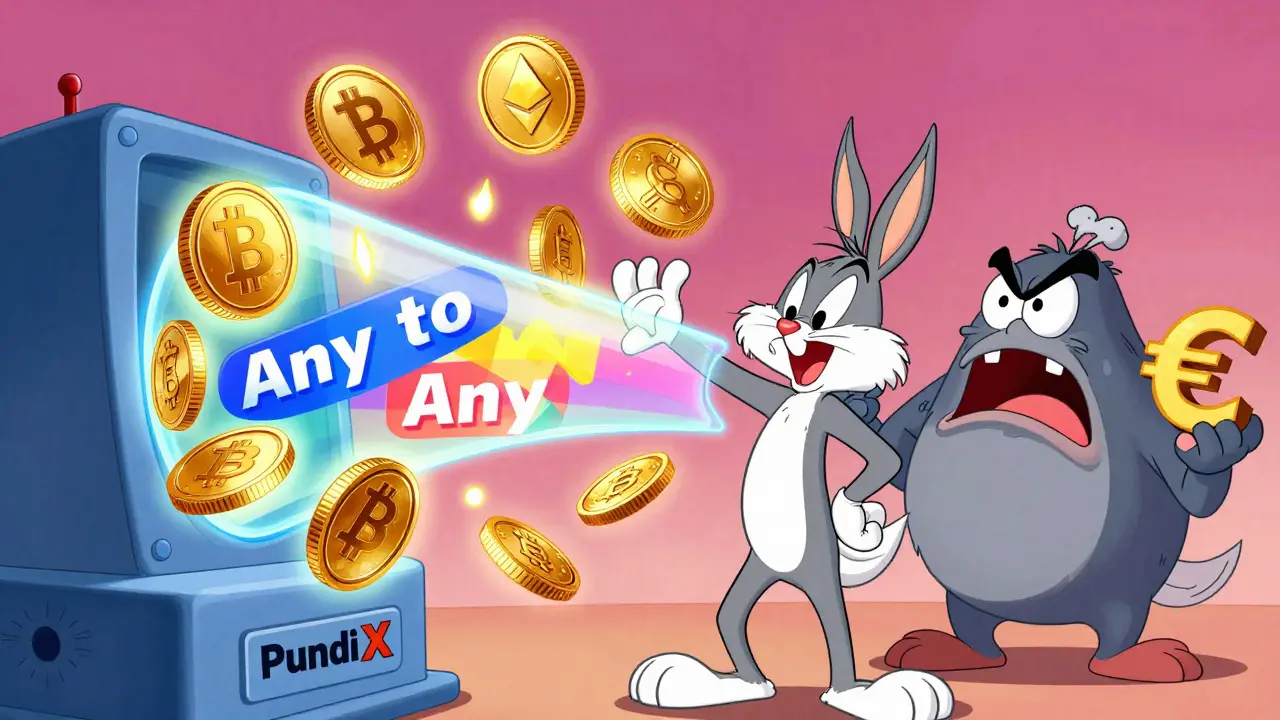
The real "secret sauce," however, was the "Any to Any" trading function. Think of it as a built-in exchange tool that let you swap one coin for another directly. Usually, if you wanted to trade a random altcoin for another, you'd have to sell it for Bitcoin or Euro first, then buy the new coin-paying fees twice. Bitladon removed that middle step, saving users both time and money.
Fees and Costs: How it Stacked Up
When it comes to fees, Bitladon played a bit of a balancing act. They started users at a standard trading fee of 2.00% per order. For a professional trader, that's quite high. However, they incentivized high-volume trading through a VIP Status Program. If you moved enough volume over a 30-day period, those fees could plummet as low as 0.25%.
Here is a breakdown of how the costs worked for the average user:
| Fee Type | Cost / Limit | Notes |
|---|---|---|
| Standard Trading Fee | 2.00% | Starting rate for new accounts |
| VIP Trading Fee | Down to 0.25% | Based on 30-day volume |
| Deposits & Withdrawals | 0% | Exchange doesn't charge; network fees apply |
| Minimum Purchase | €9 per coin | Low barrier to entry |
| Weekly Limit (Verified) | €100,000 | Can be increased via support |
User Experience and Onboarding
Bitladon was built for the "non-techie." The interface was minimalist and clean, meaning you didn't need a degree in computer science to figure out how to buy your first fraction of a coin. One of the most convenient parts was the internal wallet system. You didn't need to download separate software or manage complex private keys unless you wanted to move your funds off the platform. Everything was handled internally, which is a huge relief for beginners.
However, the "easy" part stopped when it came to signing up. Because the company was registered with the Dutch Central Bank and followed strict European anti-money laundering (AML) rules, the KYC (Know Your Customer) process was rigorous. To get a fully functional account, you had to provide:
- A valid government ID for identity verification.
- Proof of residence (like a utility bill).
- A verified mobile phone number.
- A "liveness" check-essentially a selfie with your passport.
While some users found this tedious, it was the reason the platform was considered safe and legally compliant within the Eurozone. They even streamlined bank account verification by automating it through your first single payment.
Regional Focus and Payment Methods
If you live in the United States, you likely noticed you couldn't use Bitladon. The platform explicitly excluded US residents. Instead, they doubled down on the European market, integrating local payment methods that made deposits nearly instant. They supported iDEAL, Bancontact, GiroPay, and SOFORT, along with standard SEPA bank transfers.
This regional focus was a smart move. By ignoring the complex regulatory web of the US, they could offer same-day IBAN transfers and maintain a tighter relationship with Dutch financial regulators. For a trader in Germany or the Netherlands, this meant the money moved in and out of the exchange much faster than on global platforms that relied on slower international wires.

Security and Support: The Reality
Security was a strong suit for the platform. There were no major reported breaches during its time as Bitladon. They used Google Authenticator for two-factor authentication (2FA) and sent email verification codes for sensitive account changes. This created a solid layer of protection against the common hacking attempts that plague the crypto world.
The customer support was a bit of a mixed bag. During the week, from 9 AM to 5 PM CET, the team was praised for being professional and fast, often responding to emails within an hour. However, if you ran into a problem on a Saturday or Sunday, you were essentially on your own until Monday morning. This lack of 24/7 support was the most common complaint among users who were used to the always-on nature of cryptocurrency markets.
The Transition to BCM Exchange
So, why the change? In the world of fintech, rebranding is often about repositioning for growth or adjusting to new regulatory landscapes. The shift to BCM Exchange on February 1, 2023, wasn't a shutdown, but a strategic pivot. The core goal-providing a compliant, easy-to-use gateway for European investors-remained the same, but the branding needed to evolve to fit a maturing market.
If you are looking for the services once offered by Bitladon, you should head over to the BCM Exchange platform. You'll likely find the same focus on EU banking and regulatory compliance, but under a new corporate identity. The transition shows that the company prioritized staying legal and operational over sticking to a legacy name.
Is Bitladon still operating?
No, Bitladon is no longer operating under that name. It officially rebranded to BCM Exchange on February 1, 2023. All services and user accounts transitioned to the new brand.
Can US citizens use Bitladon or BCM Exchange?
No. The platform specifically focuses on the European market and has historically excluded United States citizens and residents due to regulatory restrictions.
How high are the trading fees?
The standard fee started at 2.00% per order. However, frequent traders could lower this to as little as 0.25% through a volume-based VIP Status Program.
What makes the "Any to Any" feature special?
The "Any to Any" feature allows users to trade one cryptocurrency directly for another without having to first convert the asset into a fiat currency (like Euros) or a bridge currency (like Bitcoin), which reduces total transaction fees.
Is the exchange regulated?
Yes, Bitladon was officially registered with the Dutch Central Bank and adhered to European anti-money laundering (AML) regulations to ensure legal compliance within the EU.
Do I need a separate wallet to use the platform?
No, the platform provides internal storage for all cryptocurrencies, meaning users do not need to install additional wallet software to start trading.